March 16, 2026
In the world of advertising and marketing, vehicle graphics have emerged as a highly effective branding tool. Businesses use visual displays on vehicles to transform everyday transportation into moving advertisements that expand brand visibility across multiple locations. An effective car wrap design allows companies to communicate their message to audiences in a bold and memorable way while reinforcing brand recognition wherever the vehicle travels.
The creativity involved in producing a compelling visual display cannot be overstated. A thoughtfully planned car wrap design blends strategic messaging, striking visuals, and strong brand identity into a format that captures attention quickly. Because vehicles are constantly in motion, designers must develop graphics that are clear, engaging, and instantly recognizable to viewers.
In addition to strong visuals, careful planning and strategic thinking are essential components of successful vehicle advertising. Designers must consider the size and shape of the vehicle, the placement of logos and messaging, and the viewing distance of passing audiences. A well-executed car wrap design balances creativity with practicality, ensuring that branding elements remain visible, legible, and impactful whether the vehicle is parked or traveling through busy streets.
Understanding Client Needs and Goals
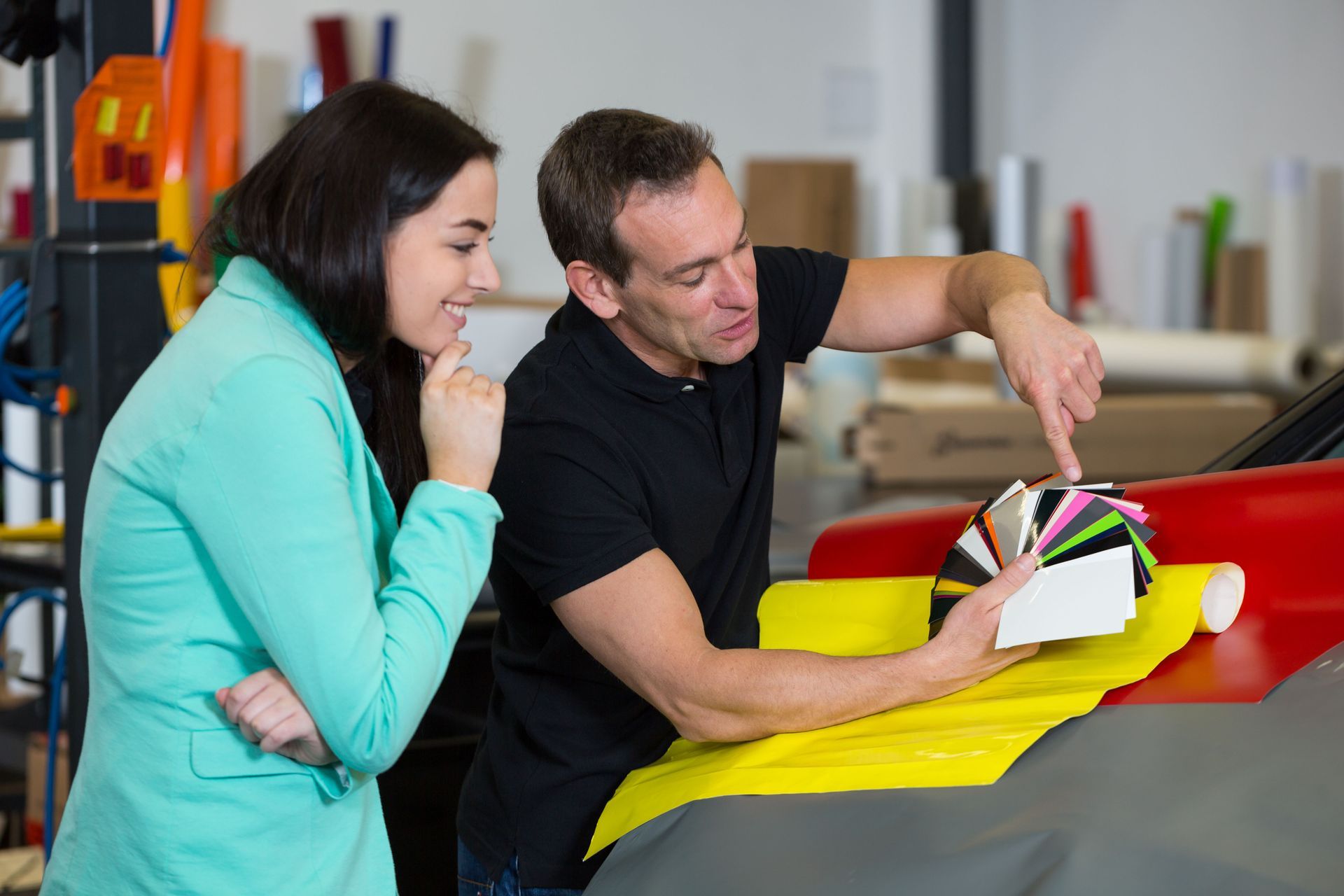
The first step in the creative process involves conducting a thorough consultation with the client. This conversation helps designers understand the business’s objectives, messaging priorities, and visual preferences before any design work begins. Clear communication during this stage establishes the foundation for a successful car wrap design that accurately reflects the client’s brand.
Understanding the client’s branding objectives is essential when developing a vehicle graphic. These goals often include color schemes, logos, slogans, and imagery that represent the brand’s identity. Designers use this information to create visual elements that align with the business’s marketing strategy. Translating brand identity into a compelling car wrap design ensures the final product communicates the intended message clearly and effectively.
Another critical factor is identifying the target audience. Designers consider demographic factors such as age groups, geographic locations, and customer interests when planning design elements. These insights influence layout decisions, graphic styles, and messaging approaches. By tailoring visuals to the intended audience, a car wrap design becomes more effective at attracting attention and delivering a clear brand impression.
Gathering Research and Creative Inspiration
Staying informed about current design trends is an important part of the creative process. Designers often research typography styles, color palettes, layout structures, and emerging visual techniques used in modern advertising. This research allows creative teams to produce a car wrap design that feels contemporary while still reflecting the client’s unique identity.
Collaboration within a creative team also contributes significantly to innovation. Brainstorming sessions allow designers, marketers, and visual artists to exchange ideas and perspectives that inspire new concepts. These discussions often lead to creative breakthroughs that strengthen the final car wrap design by combining artistic vision with marketing strategy.
Inspiration may also come from art, photography, architecture, nature, and other forms of visual media. Designers frequently compile inspiration boards filled with imagery, textures, and graphic ideas that spark creativity. These references help guide the development of a distinctive car wrap design that stands out in a crowded advertising environment.
Developing Design Concepts and Sketches
Concept development typically begins with brainstorming sessions where designers explore multiple creative directions. During this stage, teams generate numerous ideas without immediately evaluating them, allowing creativity to flow freely. This open exploration helps uncover innovative solutions that can evolve into a memorable car wrap design.
After initial ideas are established, designers translate those concepts into preliminary sketches. Sketching allows creative teams to visualize layouts and experiment with graphic placement before committing to digital design tools. These rough drafts provide a practical way to explore how a car wrap design will appear on the three-dimensional surface of a vehicle.
Color selection is another critical component of this stage. Designers choose color palettes that align with the client’s branding while maintaining visibility from a distance. Considerations such as color psychology, lighting conditions, and contrast play an important role. A carefully chosen palette strengthens the effectiveness of the car wrap design, ensuring that important information remains readable even when the vehicle is moving.
Selecting Materials and Producing the Wrap
Knowledge of materials is essential when preparing a wrap for production. Vinyl materials vary in flexibility, durability, and finish, which affects how the graphics appear and how long they last. Selecting the appropriate material ensures the car wrap design maintains its appearance across different weather conditions and vehicle surfaces.
High-quality vinyl plays a major role in achieving a professional finish. Premium materials provide vibrant color reproduction, smooth installation, and improved resistance to fading or peeling. Using reliable materials allows the car wrap design to maintain its clarity and visual impact over time.
Print quality is another important factor during production. Designers work closely with printing professionals to confirm that colors match the digital artwork accurately. High-resolution files ensure sharp images and readable text, which are essential for a successful car wrap design that remains effective as a marketing tool.
Close collaboration between designers, printers, and installers helps prevent potential issues before production begins. Clear communication ensures alignment in color reproduction, sizing, and graphic placement. This teamwork guarantees that the final car wrap design is produced accurately and installed smoothly on the vehicle.
Installing the Wrap and Finalizing the Project
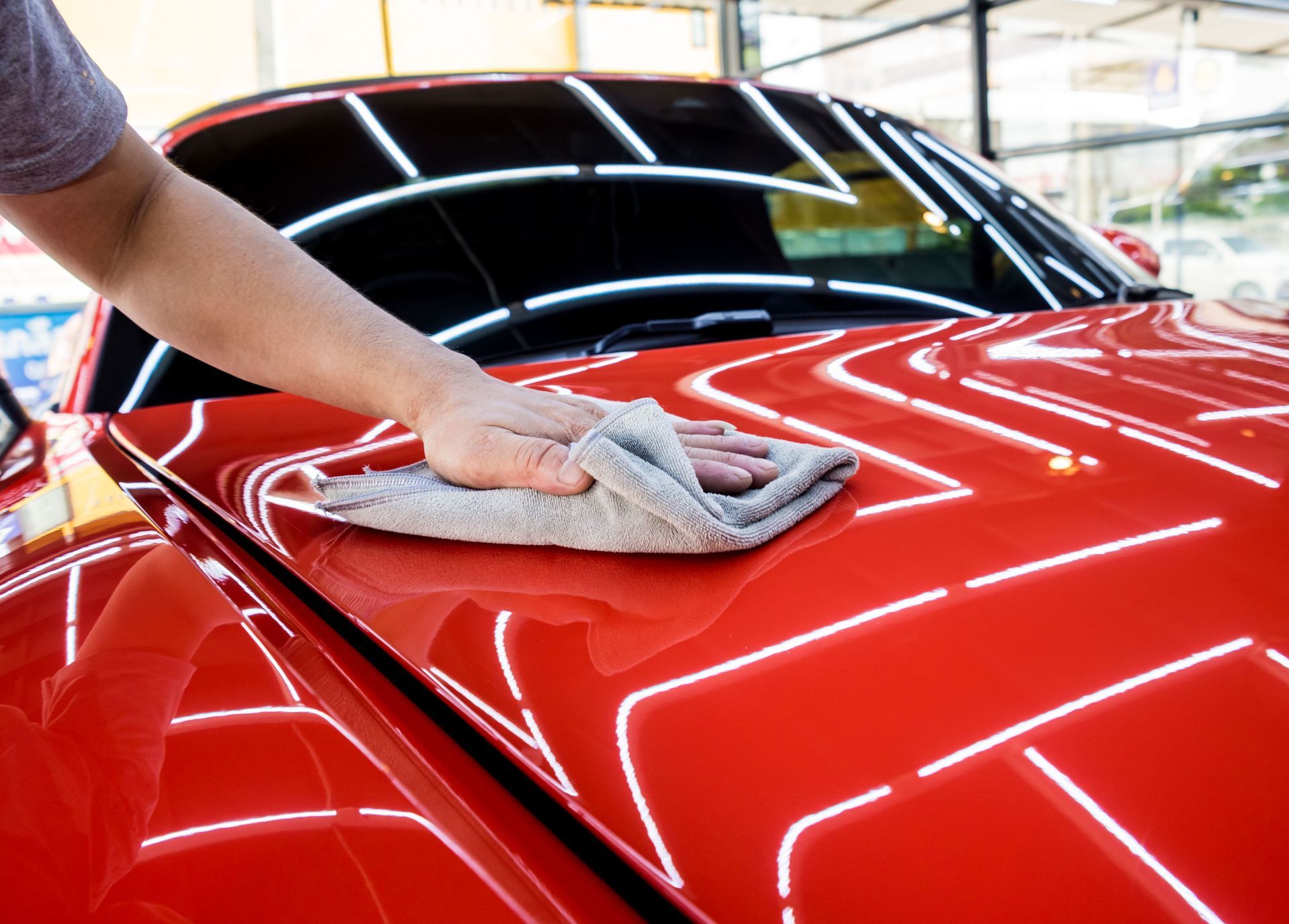
Vehicle preparation is the first step before installation begins. The vehicle surface must be thoroughly cleaned to remove dust, grease, and contaminants that could interfere with adhesion. Proper preparation ensures the car wrap design bonds securely to the vehicle surface, preventing bubbles, wrinkles, or peeling.
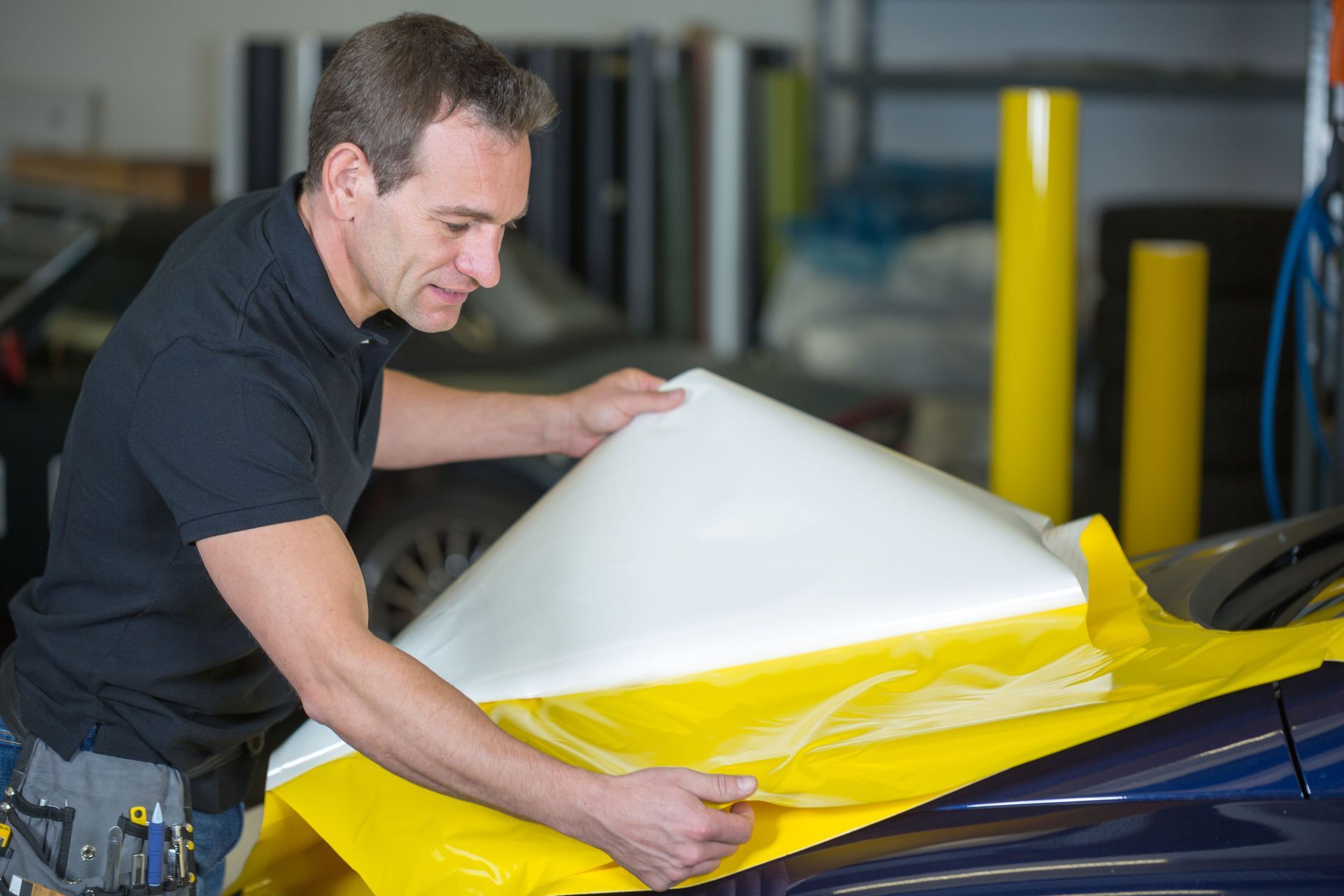
Professional installation requires both skill and precision. Installers carefully position vinyl graphics to follow the curves and contours of the vehicle. Techniques such as heat application and controlled stretching allow the car wrap design to fit seamlessly across complex surfaces without distortion.
After installation, technicians perform detailed inspections to confirm the wrap meets quality standards. They check for imperfections such as air bubbles, misalignment, or tears that could affect the final appearance. Ensuring the car wrap design meets these standards helps maintain both visual appeal and branding effectiveness.
The project typically concludes with a walkthrough between the client and the design team. During this review, clients examine the vehicle to confirm the graphics match their expectations and branding goals. This final step confirms that the car wrap design successfully translates the original vision into a polished marketing asset.
The creative journey behind a vehicle graphic involves multiple stages, including planning, research, concept development, production, and installation. Each stage requires collaboration, attention to detail, and creative problem-solving to ensure the final product effectively represents the client’s brand.
According to East Coast Truck and Trailer Sales, more than 95% of Americans are reached by media targeting drivers, highlighting the influence of mobile advertising. A well-executed car wrap design transforms vehicles into powerful marketing platforms that capture attention, reinforce brand identity, and communicate messages to a wide audience wherever the vehicle travels.
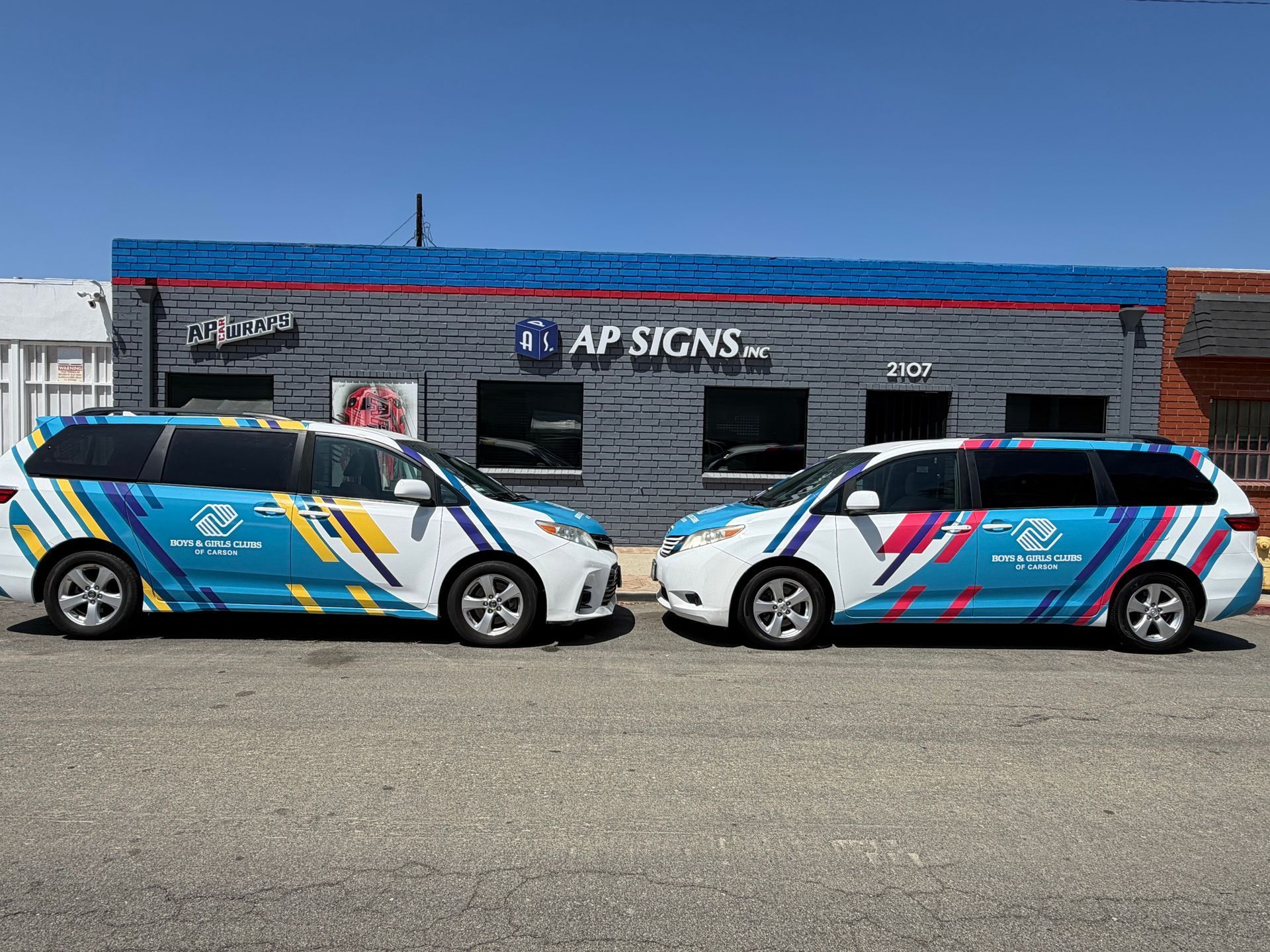
When creativity, strategy, and technical expertise come together, vehicle graphics become far more than decorative elements. They function as strategic marketing assets that deliver continuous exposure for businesses across countless locations. A thoughtfully planned car wrap design allows brands to maintain a consistent presence in everyday environments, strengthening recognition and helping businesses connect with audiences in a dynamic and memorable way. For all of your car wrap design needs, contact AP Car Wraps today!